

Dental implants are a popular way to replace missing teeth. Many people choose dental implants because they look and feel like real teeth. If you are thinking about the dental implant procedure, you may wonder about dental implant risks and dental implant aftercare. In this blog, you will learn what dental implants are, their benefits, the step-by-step process, possible risks, and how to care for your new smile. Whether you are searching for dental implants in your city or just want to know more, this guide will help you make an informed choice.
What Are Dental Implants?
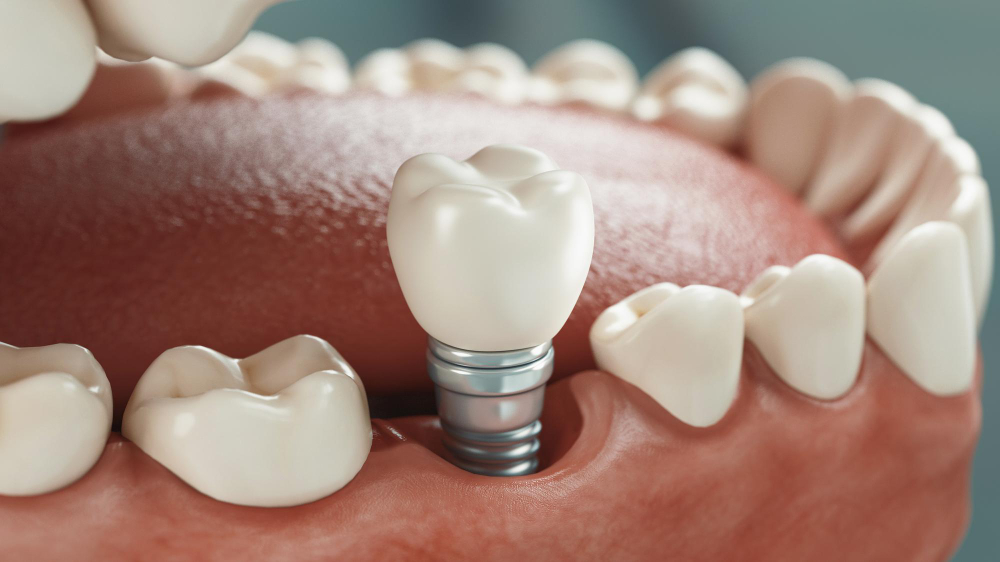
Dental implants are small metal posts placed in your jawbone. They act as roots for artificial teeth. Usually, dentists use titanium for these posts because it is strong and safe. Over time, the bone grows around the implant, holding it firmly in place. After healing, a dentist attaches a crown, bridge, or denture to the implant. As a result, you get a tooth that looks and works like a natural one. According to the American Dental Association, dental implants are a safe and effective way to replace missing teeth.
Benefits of Dental Implants
Dental implants offer many advantages over other tooth replacement options. For example, they can improve your comfort and confidence. Here are some key benefits:
Because of these benefits, many people prefer dental implants over bridges or dentures.
The Dental Implant Procedure (Step-by-Step)
The dental implant procedure usually takes several steps. Each step helps make sure your implant is safe and strong. Here is what you can expect:
Each step is important for a successful dental implant. Your dentist will guide you through the process.
Risks and Potential Complications
Although dental implants are safe, there are some risks. However, most problems are rare and can be managed. Possible risks include:
According to the CDC and peer-reviewed dental journals, most people heal well after the dental implant procedure. But, it is important to follow your dentist’s advice to lower your risk.
Aftercare and Recovery Tips
Proper dental implant aftercare helps your mouth heal and keeps your implant healthy. Here are some tips:
With good care, your dental implant can last for many years.
Prevention of Implant Failure
Even though dental implants are strong, they can fail if not cared for. To prevent implant failure, follow these steps:
By taking these steps, you can help your dental implant last a long time.
In summary, dental implants are a safe and lasting way to replace missing teeth. They offer many benefits, but you should know the risks and follow proper aftercare. Consult a qualified dentist for personalized advice on dental implants.