
What Is Dental Trauma?
Dental trauma means injury to the teeth, gums, or mouth. Often, it happens during sports, falls, or accidents. Because the mouth is sensitive, even a small injury can cause pain or bleeding. Sometimes, a tooth can get chipped, cracked, or even knocked out. In many cases, quick action can help save the tooth. Therefore, understanding dental trauma is important for everyone.
What Happens When a Tooth Is Knocked Out?
When a tooth is knocked out, dentists call it “tooth avulsion.” This means the tooth is completely out of its socket. As a result, the blood supply to the tooth stops. The tissues around the tooth may also get damaged. If not treated quickly, the tooth may not survive. However, with the right steps, you may save the tooth. According to the American Association of Endodontists, quick action is key.
Can a Knocked-Out Tooth Be Reimplanted?
Yes, a knocked-out tooth can sometimes be reimplanted. But, time is very important. The sooner you act, the better the chance of success. In fact, reimplantation works best if done within 30 to 60 minutes. After that, the chances of saving the tooth drop. Still, dentists may try reimplantation even after an hour. Tooth reimplantation success depends on many factors, but quick emergency dental care helps most.
Immediate Steps to Take After Dental Trauma
Acting fast can make a big difference. If a tooth is knocked out, follow these steps:
Because every minute counts, do not delay seeking help.
Diagnosis and Treatment Options
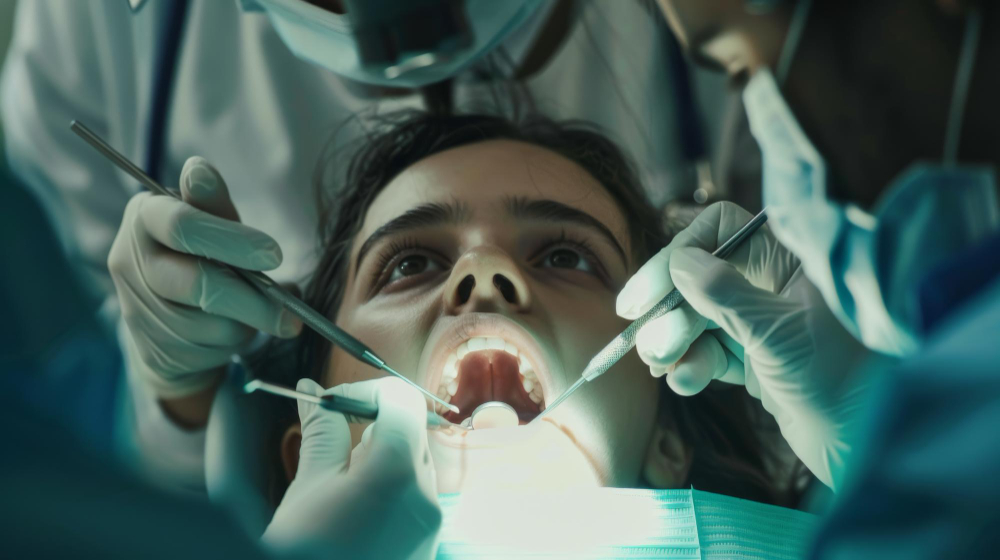
Once you reach the dentist, they will check your mouth and the tooth. X-rays may be taken to see the damage. If the tooth is in good shape, the dentist will clean it and try to reimplant it. Then, they may use a small wire or splint to hold the tooth in place. You may also need medicine to prevent infection. Sometimes, root canal treatment is needed later. However, if the tooth cannot be saved, the dentist will discuss other options, like dental implants or bridges.
Factors Affecting Reimplantation Success
Several things affect whether a knocked-out tooth can be saved:
According to the CDC, acting within 30 minutes gives the best chance for tooth reimplantation success. But, even after an hour, it is still worth trying.
Prevention Tips for Dental Injuries
While accidents can happen, you can lower your risk of dental trauma. Here are some tips:
Because prevention is easier than treatment, take these steps to protect your teeth.
When to See a Dentist
If you experience dental trauma, see a dentist right away. Even if the tooth is not knocked out, pain or bleeding needs attention. Sometimes, injuries may not look serious but can cause problems later. Therefore, do not wait to get checked. Early care can prevent infection and save your tooth.
Consult a dental specialist immediately if you experience dental trauma for the best chance of saving your tooth.