
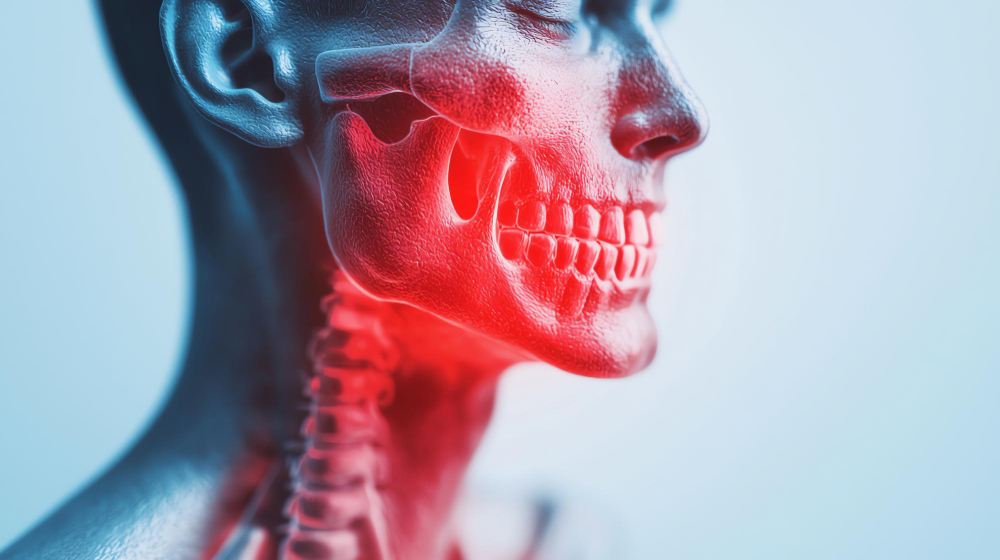
Do you feel pain in your jaw when you chew or talk? Sometimes, jaw pain can make daily life hard. While many things can cause jaw pain, one common reason is a TMJ disorder. TMJ stands for temporomandibular joint. This joint connects your jaw to your skull. When it does not work right, you may feel pain or discomfort. In this blog, we will explain what TMJ disorder is, its symptoms, causes, and how you can find relief.
What Is TMJ Disorder?
TMJ disorder, also called TMD, affects the joint that lets you open and close your mouth. This joint is just in front of your ears. It helps you chew, talk, and yawn. When the joint or the muscles around it have problems, you may feel pain or hear clicking sounds. TMJ disorder is common and can affect people of all ages. However, it is more common in adults. According to the National Institutes of Health, millions of people have TMJ problems each year.
Common Symptoms of TMJ Disorder
TMJ disorder can cause many symptoms. Some people have mild signs, while others have severe pain. For example, you may notice:
Sometimes, these symptoms come and go. But if they last for more than a few days, you should see a dentist or doctor.
Causes and Risk Factors
Many things can lead to TMJ disorder. Often, the exact cause is not clear. However, some common causes and risk factors include:
In addition, women are more likely to have TMJ disorder than men. Family history and certain habits can also raise your risk.
How TMJ Disorder Is Diagnosed
If you have jaw pain, your dentist or doctor will ask about your symptoms. Next, they will examine your jaw. They may listen for clicking sounds or feel for tenderness. Sometimes, you may need X-rays or other scans. These tests help rule out other problems, such as tooth decay or sinus issues. Early diagnosis can help you get the right treatment and avoid more pain.
Treatment Options for TMJ Disorder
There are many ways to treat TMJ disorder. Most people get better with simple steps. Your doctor may suggest:
In rare cases, surgery or other procedures may be needed. However, most people do not need surgery. The right treatment depends on your symptoms and needs.
Lifestyle Tips and Home Care
There are many things you can do at home to help with TMJ pain. For instance, you can:
With these simple steps, many people find relief from jaw pain.
Preventing TMJ Disorder
While you cannot always prevent TMJ disorder, you can lower your risk. For example:
By taking these steps, you can help keep your jaw healthy and pain-free.
If you have persistent jaw pain, consult a dental specialist for personalized advice.