
Introduction
Trauma from occlusion happens when your teeth do not fit together as they should. This improper bite can cause pain and damage to your teeth and gums. Correcting improper bite is important for your dental health. Today, many people use aligners to fix bite problems. In this blog, you will learn about trauma from occlusion, its symptoms, and how aligners can help.
What Is Trauma from Occlusion?
Trauma from occlusion means your teeth are not meeting properly when you bite. Because of this, extra pressure is placed on certain teeth. Over time, this pressure can hurt your teeth, gums, and even the bone around your teeth. Sometimes, the bite problem is small. However, even small issues can lead to bigger dental problems if not treated.
Symptoms and Signs
It is important to know the symptoms of occlusal trauma. Early signs can help you seek treatment sooner. Common symptoms include:
Sometimes, you may not notice any pain at first. But, over time, the damage can get worse.
Causes of Improper Bite
There are several reasons why your bite may not be correct. Some common causes include:
Because these issues can develop over time, regular dental check-ups are important.
Diagnosis
Dentists use several methods to diagnose trauma from occlusion. First, they will ask about your symptoms and check your teeth and gums. Next, they may use special paper to see how your teeth touch when you bite. X-rays can also help find bone loss or other damage. Sometimes, dentists use digital scans to get a clear picture of your bite. Early diagnosis helps prevent further damage.
How Aligners Help Correct Improper Bite
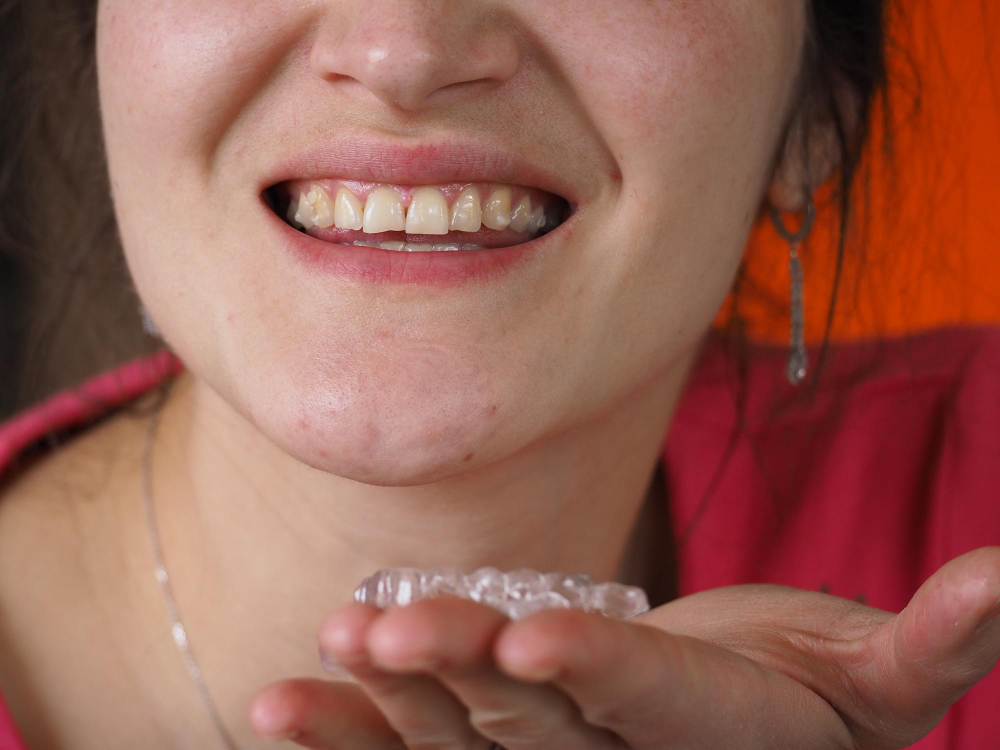
Clear aligners are a popular way to treat bite problems. These are thin, plastic trays that fit over your teeth. You wear them most of the day, but you can remove them to eat or brush. Aligners gently move your teeth into the right position over time. Because they are clear, most people will not notice them.
There are many benefits to treating bite trauma with aligners:
During aligner therapy, you will switch to a new set every few weeks. Your dentist or orthodontist will check your progress. Most people see results in several months, but treatment time can vary. For best results, follow your dentist’s instructions closely.
Prevention and Oral Care Tips
While some bite problems are genetic, you can still protect your teeth. Here are some tips to prevent trauma from occlusion:
With good oral care, you can lower your risk of dental trauma.
When to See a Dentist
If you notice any symptoms of occlusal trauma, see a dentist soon. Early treatment can prevent serious damage. You should also visit a local dental clinic if you have pain, loose teeth, or trouble chewing. Dentists near you can check your bite and suggest the best treatment, such as clear aligners for bite correction.
For more information, you can visit trusted sources like the CDC or the WHO.
Consult a dental specialist for personalized advice on correcting bite issues.