
What Is Orthodontics?
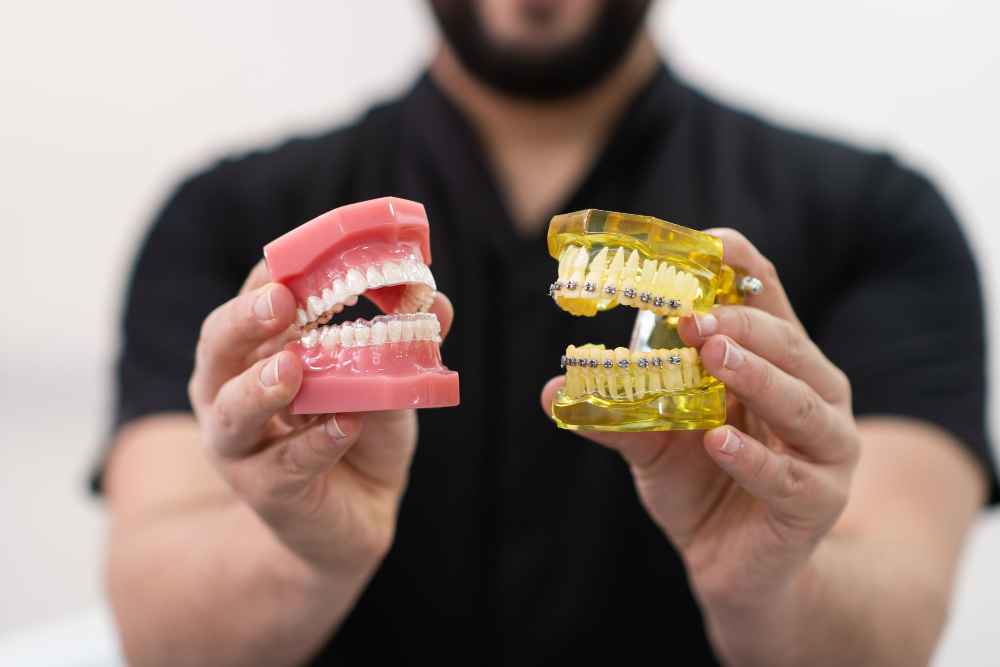
Orthodontics is a dental specialty that focuses on straightening teeth and correcting jaw alignment. In fact, orthodontists use braces, clear aligners, and other devices to move teeth into better positions. As a result, people can enjoy a healthier bite and a more attractive smile. According to the American Dental Association, orthodontic treatments help prevent future dental problems, such as tooth decay and gum disease.
What Is Prosthodontics?
Prosthodontics is another dental specialty. However, it deals with replacing missing or damaged teeth. Prosthodontists use crowns, bridges, dentures, and dental implants to restore smiles. Because of their training, they can also help with complex cases, such as full mouth reconstruction. The World Health Organization notes that prosthodontic procedures improve both function and appearance.
Key Differences Between Orthodontics and Prosthodontics
Although both fields focus on dental health, they have different goals. Here are the main differences between orthodontics and prosthodontics:
Common Treatments and Procedures
Both orthodontists and prosthodontists offer a range of treatments. However, their procedures are quite different. For example, orthodontic treatments include:
On the other hand, prosthodontic procedures include:
When to See an Orthodontist vs a Prosthodontist
Knowing which dental specialist to visit can be confusing. However, you can use these guidelines:
Benefits of Each Specialty
Both orthodontics and prosthodontics offer important benefits. For instance, orthodontic treatments can:
Meanwhile, prosthodontic procedures can:
How to Choose the Right Dental Specialist
Choosing between an orthodontist and a prosthodontist depends on your needs. First, think about your dental problem. If your teeth are crooked or your bite feels off, an orthodontist is the right choice. However, if you have missing or broken teeth, a prosthodontist can help. Additionally, you can ask your general dentist for a referral. They know your dental history and can guide you to the right specialist.
Frequently Asked Questions
Conclusion & Call-to-Action
In summary, both orthodontics and prosthodontics play vital roles in dental health. While orthodontists straighten teeth, prosthodontists restore or replace them. If you are unsure which specialist you need, consult your dentist. They can help you choose the best treatment for your smile and health.